 Available in GB
See how a £4 cashier minimum compares with £1, £5, £10 and £20 entry points, and why it is a low threshold rather than the lowest.
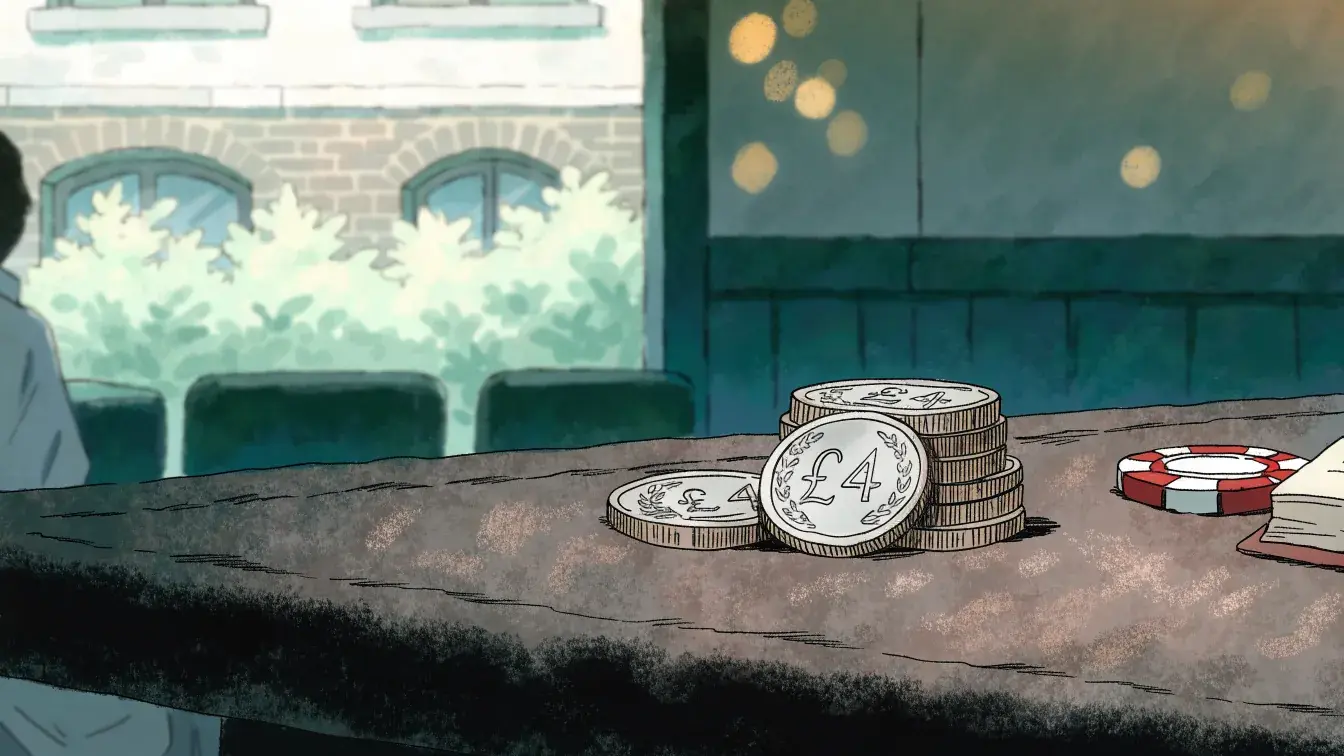
A £4 starting point sits above verified £1 options and below other reported casino minimums.
How £4 Fits into the UK Deposit Range
A £4 cashier minimum sits between the lowest reported entry points and the higher starting amounts found at some UK casinos. It is below the £10 figure described as typical for casinos accepting direct banking in a specialist review, but it is not the smallest minimum reported. Some operators set their starting point at £5, while others require £20. The spread matters: a £4 minimum is a particular price point, not a standard shared by every casino.
At the lower end, some UK casinos have accepted deposits from £1. A specialist review reported verifying six UK Gambling Commission-licensed casinos with a genuine £1 cashier minimum. That is a snapshot of operators checked at the time, not a permanent count or a guarantee that their terms remain unchanged. It does show why £4 should be described as low rather than as the lowest available threshold.
The practical comparison is straightforward. A £4 minimum is higher than a £1 entry point, yet lower than the £5, £10 and £20 starting figures reported for other operators. That difference can affect how much money you need to commit just to open a real-money session. It does not, by itself, establish whether one casino is better value than another: the cashier minimum describes the threshold for depositing, not the overall cost or quality of playing there.
The £10 figure deserves some care. It is a reported typical minimum among UK casinos accepting direct banking, not a rule that applies to every operator or every way of depositing. The same specialist review described exceptions at both £5 and £20. Those exceptions make the range more useful than a single headline number: you can see that a £4 minimum would be below the reported typical figure, while also recognising that it is not far beneath every alternative.
£5 Minimum Deposit Casinos in the UK: What to Check
It helps to separate three ideas that are easy to blur together: the lowest minimum found, a commonly reported starting point, and the specific cashier minimum at an individual casino. The £1 figure belongs to the first category in the reported snapshot. The £10 figure is a typical point in the direct-banking comparison. A £4 threshold belongs to neither category automatically; it needs to be confirmed for the operator you are considering. A headline saying “minimum deposit” can be more useful than a general claim about low deposits, but the figure should still match the cashier terms that apply to your account.
This also explains why a £4 minimum deposit casino is not necessarily an outlier in the broader UK range. It is higher than the limited £1 tier, but sits below the £5 and £10 amounts described in the review and well below the £20 exception. The gap between £4 and £5 is small in cash terms, but the distinction may matter if you are comparing the amount required to get started. A stated minimum is a condition, not a recommendation about how much you should spend.
£2 Minimum Deposit Casinos in the UK Explained
For a reader comparing casinos, the useful question is not simply whether £4 sounds low. It is where that figure sits alongside other published starting points, and whether it is the actual threshold rather than a promotional headline. On the available comparison, £4 is a lower entry point than the reported £10 typical direct-banking minimum, but it does not reach the lowest reported tier. Both statements can be true without contradiction.
No single figure captures the whole UK market. Some casinos accept less than £4, while the reported direct-banking range includes operators asking for more. The £4 point is therefore best understood as a middle position within a broad spread: accessible compared with higher starting requirements, but not the minimum available across the market. Check the cashier minimum shown by the operator before relying on a general comparison, since published terms can change.
What a £4 Minimum Does—and Does Not—Tell You About a Casino
A £4 cashier minimum is a narrow claim: it says that an account may be funded with that amount under the conditions shown by the casino. It does not, by itself, establish that the operator is legitimate, that every customer can use the same minimum, or that a £4 deposit will unlock a particular feature. Treat the figure as one detail to verify, not as a quality mark.
A cashier minimum is a threshold for depositing, not a measure of the overall cost or quality of playing at a casino.
The distinction matters because a page describing a casino may use “minimum deposit” loosely. It might refer to the lowest amount accepted by the cashier, a payment route with a special threshold, or an amount shown in promotional material. Those are not necessarily interchangeable. Before you deposit, look for the minimum displayed in the account cashier and make sure it applies to a UK account and to the transaction you intend to make. If the amount changes before confirmation, rely on the final terms presented before you authorise payment.
A low figure is not proof that a casino is safe or trustworthy. Nor does a higher minimum establish the opposite. The UK test is regulatory: operators offering real-money gambling to customers in Great Britain must hold the relevant UK Gambling Commission operating licence. A site’s own claim, a familiar name or a small cashier minimum cannot substitute for checking that the operator serving you is covered by a current licence. The Gambling Act 2005 governs gambling in England, Wales and Scotland; Northern Ireland is outside that Act.
Non-UKGC Licensed Casinos: Rules and Risks
A specialist casino review reported NetBet as the only UK Gambling Commission-listed casino on its comparison with a £1 cashier minimum. That is a specific reported finding, not a standing guarantee about the operator’s current cashier or a general rule about UK casinos. It also does not mean that a £4 deposit is necessarily the minimum accepted there: a cashier minimum is a floor, and the amount you choose may be higher. The example helps illustrate why a review’s stated figure should be checked against the live cashier rather than treated as permanent.
The same caution applies to claims about operators at the other end of the range. A specialist review reported that Zodiac, Luxury Casino and UK Casino Club had a £10 minimum on UK accounts and no sign-up bonus. That observation should not be stretched into a claim about every account, every payment route or the operators’ present terms. It does show that a casino’s minimum and its wider offer are separate details. A figure alone does not tell you whether the site is suitable, and a promotional claim does not verify the cashier.
For a genuine £4 minimum, try to answer three separate questions. First, does the cashier actually accept £4 for the account you are opening? Second, is the operator licensed to serve customers in Great Britain? Third, do the conditions attached to your account match what the casino says elsewhere? Keep the answers distinct. A “yes” to the first question says nothing conclusive about the second; a licence does not guarantee that the cashier will accept exactly £4.
Check the operator name shown in the account and compare it with the entity named in the UK Gambling Commission’s register. A brand name and the legal operator name may not look identical, so do not assume that a logo or a licence number displayed on a page settles the matter. The key is whether the licensed operator is responsible for the gambling service you are using. If the details do not line up clearly, do not treat the deposit threshold as reassurance.
Do
- Check the live cashier for the specific minimum
- Verify the operator’s UKGC licence
- Set a financial limit before your first deposit
Don’t
- Assume a promotional headline is the actual threshold
- Use credit cards for gambling deposits
- Rely on a brand name as proof of a licence
“Best” is also a judgement, not a property conveyed by the minimum. A casino accepting a small deposit may still have conditions that do not fit your needs. Compare the actual terms and account controls, and set a financial limit before making a first deposit. UK-licensed remote operators must prompt new customers to set a financial limit before that first payment and provide accessible account-level controls. A low entry amount does not remove the value of deciding in advance what you can afford to lose.
If a review calls a casino “legit”, “safe” or “trusted”, look for the basis of the claim rather than treating the adjective as evidence. A clearly stated cashier minimum is useful, but it is only a narrow operational detail. The licence status, the named operator and the terms applying to your account carry separate weight; none can be inferred from £4 alone.
The 2026 Bonus Rules That Change the Calculation
A small cashier minimum tells you how little you can put into an account, but it does not tell you how a bonus is worked out. In the UK, the rules changed on 19 January 2026: the UK Gambling Commission introduced a ceiling of 10x for wagering requirements attached to bonus funds. In practical terms, an operator cannot make a promotion conditional on wagering those funds more than ten times.
£3 Minimum Deposit Casinos in the UK: What to Know
A wagering requirement is the amount you must stake before bonus-related money or winnings can be withdrawn. It is not the same as the amount you deposit, and the new cap does not turn a deposit into a bonus or make every offer available to every customer. It sets a boundary on the wagering condition applied to bonus funds. That distinction matters when you are looking at a £4 minimum deposit casino: the cashier figure and the bonus calculation answer different questions.
Before the change, wagering requirements were commonly described as ranging from 30x to 65x the bonus value. Those figures belong to the earlier landscape, not the rule now in force. For offers covered by the current limit, a condition above 10x is not permitted. The cap therefore makes the maximum stated wagering burden easier to assess, but it does not tell you whether a particular promotion is worthwhile or whether you can claim it.
The calculation is based on the bonus funds, not automatically on the cash you put in. If an offer awards bonus funds, its terms should make clear what amount the wagering multiple applies to. Do not assume that a £4 deposit itself is the figure to multiply, or that the bonus will match your deposit. The cap concerns wagering of bonus funds; the amount credited under an offer is a separate matter.
That is why the number in a headline is not enough. A promotion may describe a bonus and show a wagering multiple, while the full terms explain which balance is subject to wagering and what counts towards it. Read the calculation as a condition attached to the bonus, rather than as a promise about how much of your deposit you will get back. If the stated wagering multiple exceeds the legal ceiling, that conflicts with the rule introduced in 2026.
Wagering Requirement Cap
In the UK, as of 19 January 2026, the UK Gambling Commission introduced a ceiling of 10x for wagering requirements attached to bonus funds. An operator cannot make a promotion conditional on wagering those funds more than ten times.
A lower permitted multiple can reduce the amount of wagering required compared with the older figures, but it does not remove the need to understand the rest of the terms. The wagering requirement is only one part of an offer. Other conditions can affect how bonus funds are used and whether resulting winnings can be withdrawn. The 10x ceiling is not a guarantee of a cash return, a favourable outcome, or a bonus that suits your budget.
For a low-deposit casino, keep the two calculations separate. First, the cashier minimum tells you the smallest deposit the operator says it will accept. Separately, if you choose to take a promotion, the bonus terms determine the wagering obligation attached to its bonus funds, subject to the cap. A small deposit does not make the wagering rule disappear, and a lower wagering multiple does not change the cashier minimum.
The cap is also a useful point of comparison when reading older descriptions of casino promotions. Terms quoted before the rule took effect may reflect the previous range rather than the limit that applies now. Check the current offer terms and the date they apply; do not treat an old promotional description as evidence of the present requirement. The relevant test is whether the wagering condition for bonus funds stays within the current ceiling.
This rule gives you a clearer boundary, not a shortcut through the terms. When assessing an offer, identify the bonus amount, find the wagering multiple applied to it, and confirm that the stated condition does not exceed 10x. Then read the remaining conditions before deciding whether to opt in. For a £4 deposit, that means judging the deposit and any associated promotion on their own terms, rather than assuming that one figure explains the other.
No-minimum-deposit casinos in the UK: how they work
Which Payment Methods Can Meet a £4 Minimum?
A £4 cashier minimum is not necessarily tied to one particular payment method. At a given UK casino, the stated minimum is generally the same across the available options, but an operator may set a higher threshold for direct banking than for a debit card or e-wallet. The payment option you choose can therefore matter even when the casino advertises a single minimum.
Before depositing, open the cashier and select the method you intend to use. Check the amount shown for that method, rather than assuming that a £4 minimum displayed elsewhere applies to every route. If the cashier accepts £4 by card but sets a higher minimum for direct banking, the advertised figure does not make £4 available through both. The relevant test is whether the specific option accepts that amount before you confirm the transaction.
Debit cards
Visa and Mastercard debit cards are accepted at almost all UK casinos and can support small deposits. For a £4 deposit, they are a straightforward option to check: select the card route in the cashier and confirm that the amount is accepted. Card acceptance alone does not establish the operator’s minimum, however. The cashier’s instructions for the particular casino remain decisive.
Make sure the card is a debit card, not a credit card. UK rules prohibit gambling operators from taking credit-card deposits. The restriction also covers credit-card money routed through a money service business, so changing the route does not make credit funds an acceptable source. A card logo in the cashier is not permission to use a credit card for gambling; the permitted card route is debit.
Attention UK rules strictly prohibit gambling operators from accepting credit-card deposits.
E-wallets
An e-wallet may be another option if the casino offers it and its cashier accepts the amount you want to deposit. The minimum can depend on the operator and, in some cases, on the payment method. Do not assume that an e-wallet will have the same threshold as a debit card simply because both appear in the same cashier.
The source of the wallet funds matters too. For gambling deposits, the wallet must be funded from a debit card or another permitted source, not used to move credit-card funds into the account. If you use an e-wallet, check both that the casino accepts it and that the balance you are using is eligible for gambling payments. Payment-provider rules can also affect whether a transaction is available to you, so the cashier and provider’s own instructions should be read together.
This is a general point about e-wallet funding, not a confirmation that any particular wallet is offered by every casino or will accept exactly £4. The operator’s available methods and their minimums are specific to that account and cashier.
Direct banking
Direct banking uses funds from your bank account rather than a gambling credit facility. It is a permitted funding route for UK gambling accounts, but its minimum may differ from the one shown for cards or e-wallets. In particular, some casinos set a higher threshold for direct banking, so a £4 card deposit does not prove that a £4 bank deposit will be accepted.
Online casinos with no sister sites in the UK
If you prefer this route, select it before entering an amount and read the displayed minimum carefully. Where the cashier shows different conditions for different options, follow the condition attached to the method you are actually using. Do not try to work around a higher minimum by splitting a payment or choosing a route that the operator does not offer for that amount.
What to check in the cashier
A useful check is to treat each payment option as a separate route, even if the casino presents them together. Look for the minimum beside the selected method, confirm that the amount is available before submitting, and use only funds from an allowed source. If the displayed minimum changes after you select a method, use the figure shown for that selection rather than the general amount mentioned on a promotional page.
The payment method does not alter the UK rules that apply to the casino. Before a new customer can deposit, the operator must verify their age, and the customer must be at least 18. Operators must also prompt new customers to set a financial limit before the first deposit and make account-level limit controls accessible. Those checks are part of the process; they do not make an otherwise unsupported payment method acceptable.
For someone looking to deposit £4, the practical answer is therefore conditional: a debit card, an eligible e-wallet or direct banking may be available, but acceptance of that exact amount depends on the casino’s cashier settings for the selected method. Check the route, funding source and stated minimum before confirming the payment.
Summary of Play
- A £4 balance is a limited bankroll that depends on your chosen stake
- Withdrawal thresholds may be higher than your initial deposit
- Always check the casino’s specific withdrawal terms before depositing
What £4 Can Mean for Real-Money Play
A £4 balance is a limited bankroll, not a promise of a particular session length or result. The amount you can play depends on the stake you choose and how each game behaves. Many slots allow bets between 10p and 20p per spin, so a small balance can cover repeated spins at those stakes. Each spin still uses part of the balance, and wins may change it; there is no dependable way to predict how long the money will last.
That distinction matters when you are deciding whether a minimum-deposit casino suits you. A low entry amount can make it possible to try real-money play without committing more at the outset, but it does not make the balance stretch indefinitely. If you raise your stake, the same funds are used more quickly. Treat the £4 as money you are prepared to lose, rather than as an amount that will necessarily produce a return.
Before making a first deposit, set a financial limit you can afford and keep to it. A small initial payment is not a reason to top up if the balance runs down. The relevant measure is the money you choose to put at risk, not the size of the minimum shown in the cashier.
The other practical issue is getting money back out. A specialist review reported withdrawal thresholds of £10 to £20 at many UK casinos. That is a reported range, not a rule for every operator, and a threshold can be higher than a small starting balance. If the amount in your account remains below the stated minimum, you may not be able to request a withdrawal yet. A win does not remove that condition.
Anjouan Casino Licence for UK Players: What It Means
Read the casino’s withdrawal terms before depositing: look for the minimum withdrawal amount and any conditions that apply to taking out funds. Do not assume the deposit minimum and withdrawal minimum match. With a £4 starting balance, the difference can affect whether you can access a balance at all, particularly if you do not plan to deposit again.
For mobile play, the same practical limits apply: the screen size does not change the stake or the cashier’s withdrawal threshold. Check the game’s displayed stake before playing and the operator’s terms before funding the account. This keeps the decision grounded in what the balance can cover and what the casino allows you to withdraw, rather than in the appeal of a low entry point.
GamStop and Low-Deposit Casinos: What the Verified Facts Establish
A £4 cashier minimum and a casino’s GamStop status are separate matters. The deposit figure tells you what the cashier may accept; it does not establish whether the operator is connected to GamStop. So a claim that a casino accepts £4 does not, by itself, show that it is on or off the scheme.
That distinction matters if you are looking for a £4 minimum deposit casino not on GamStop. Avoid treating a low minimum, a payment logo or an operator’s marketing description as proof of its status. Check the operator’s identity and current UK Gambling Commission licence details, and use GamStop’s own information when assessing the scheme. Do not rely on a name alone: sites and brands can be confused, while the legal operator is the party whose licence matters.
Verification Steps
- Confirm the operator holds a valid UKGC licence
- Check the cashier for the specific minimum for your chosen method
- Ensure you are at least 18 years old
- Set a financial limit within your account controls
For customers in Great Britain, remote gambling operators serving the market must hold the relevant UK Gambling Commission licence. Online gambling is legal in the UK only through licensed and regulated sites. An offshore casino without a UKGC licence is outside that system; a small deposit requirement does not make it a UK-licensed casino. The Gambling Act 2005 governs gambling in England, Wales and Scotland, but not Northern Ireland.
The age rule is independent of both deposit size and GamStop status: players must be at least 18 to gamble online in the UK. A low entry amount does not lower that requirement. Operators must verify a customer’s age before allowing a deposit, so age checks are part of access to real-money gambling, not an optional feature of a particular payment route.
If you use GamStop, do not interpret a casino’s willingness to accept a small deposit as evidence that it is suitable for you or that it falls within the scheme. Establish the operator’s licence and GamStop status separately before deciding what to do. No specific £4 casino should be labelled as on or off GamStop without reliable confirmation of that operator’s status.
PayPal and the Minimum Deposit
A £4 cashier minimum does not, by itself, confirm that PayPal can be used to deposit that amount. The minimum is generally consistent across an operator’s payment methods, but some casinos set a higher threshold for direct banking than for cards or e-wallets. That broad pattern cannot establish the PayPal limit at any particular casino: the cashier’s method-specific terms are what matter.
Check that PayPal appears as an available option after signing in, then read the displayed minimum before starting a transaction. A casino may accept PayPal but set a minimum above £4, or apply different conditions to that method. Do not assume that a figure shown for debit cards also applies to an e-wallet.
For a UK-licensed casino, an e-wallet used for gambling must not route credit-card funds into the deposit. Use funds held in the wallet that comply with the gambling payment rules; a payment option being visible does not make every funding source permissible.
Also distinguish the casino’s minimum from PayPal’s own payment process. The casino sets the amount it will accept through its cashier, while the payment still has to be authorised through PayPal. If the transaction is declined, check the operator’s instructions rather than repeatedly submitting it.
Before your first deposit, set a financial limit you can afford to lose. A small minimum makes it possible to start with less money, but it does not show whether PayPal accepts exactly £4 at that operator. Verify the amount and method in the live cashier before deciding to deposit.
Does the Amount Have to Be Exactly Four Pounds?
A £4 cashier minimum describes the smallest deposit the casino says it will accept; it does not, by itself, mean that you must deposit exactly £4. If the cashier accepts higher amounts, you can choose one of those instead. The amount you can enter or select is determined by the cashier, so the stated minimum is not a complete list of its available deposit options.
It is also worth separating “a £4 minimum deposit” from “a £4 deposit”. The first describes a threshold; the second describes the amount you intend to pay in. A casino with a higher threshold may reject a £4 transaction, while a casino whose threshold is lower may accept it. Some UK casinos accept deposits from £1, but that does not establish what amounts any particular cashier will offer above its own minimum.
Does a £4 minimum mean I must deposit exactly £4?
No, it describes the smallest amount the casino will accept; you can choose to deposit a higher amount if the cashier allows.
Can I use PayPal for a £4 deposit?
Not necessarily. You must check if PayPal is available at your specific casino and if its specific minimum threshold matches £4.
Before confirming, check the amount shown in the cashier and make sure it matches what you intend to deposit. A headline description may state the minimum without showing whether the cashier offers preset amounts, lets you enter an amount, or applies different rules to particular options. The transaction screen is the practical reference for the deposit you are about to make.
So, if you are looking for a casino that accepts a £4 deposit, focus on whether £4 is an available transaction amount—not only on whether the advertised minimum is £4 or less. A minimum tells you where acceptance starts; it does not guarantee that every amount above that point is available.
A Low Minimum Does Not Guarantee a Welcome Bonus
A cashier minimum tells you how little you can deposit to fund an account. A welcome offer has its own eligibility terms, which may set a higher qualifying deposit. So a casino that accepts a £4 payment can still decline to attach a promotion to it.
A specialist review reported welcome-offer deposit thresholds in the £5 to £10 range. Those figures are not a rule for every UK casino or every promotion; the terms for the specific offer decide. But where an offer requires at least £5, a £4 deposit falls short even if the cashier accepts it. Some casinos have also been reported to exclude their lowest deposit bracket from welcome promotions.
Before depositing, read the offer’s qualifying-deposit clause and check whether it applies to your chosen payment method. Look for wording that says the minimum required to claim, rather than relying on a headline describing the cashier minimum. If the promotion requires a larger first deposit, decide whether you want to deposit more or proceed without the offer. Do not assume that a later deposit will make an earlier one eligible unless the terms say so.
A bonus is not automatically a better outcome: accepting one can bring conditions attached to the offer. The key distinction here is simpler: payment acceptance and promotion eligibility are separate decisions. Set a financial limit before your first deposit, and treat any advertised bonus as unavailable until the written terms confirm that your deposit qualifies.
SMS and Mobile Billing: A Different Route to a Small Deposit
Paying by SMS or mobile billing is distinct from using a debit card, an e-wallet or direct banking: the payment is handled through a mobile service rather than entered as a standard card or bank transaction. Boku and Payforit are examples of mobile-billing services mentioned in specialist casino reviews, but their availability depends on the operator. A casino’s cashier is the place to confirm whether either route is offered on your account.
A specialist review has described £1 as the lowest deposit tier and associated it with limited methods such as Boku or Payforit. That is a source-specific finding, not a guarantee that either service will accept a £4 payment at a particular casino. Nor does a low figure attached to mobile billing establish the cashier minimum for every other payment route.
Before depositing, check the payment terms shown by the operator: whether the method is available, what minimum it sets, and whether any transaction charge applies. Do not assume that a casino accepting SMS payments will let you use them for every deposit amount. Mobile billing should also not be confused with a text message confirming a card payment; the payment route itself must appear in the cashier.
In Britain, a remote gambling operator must verify your age before allowing a deposit. New customers must also be prompted to set a financial limit before their first deposit, so decide what you can afford before choosing a payment method. A small payment route changes how funds are sent; it does not remove those safeguards or establish that a £4 minimum is available.
Which payment method is best for low-deposit casino players?
Debit cards are a practical choice: Visa and Mastercard are widely accepted and support low minimum deposits. Some e-wallets also allow small deposits, but check the cashier’s minimum for your chosen method.
Which payment methods usually accept £1 deposits?
Debit cards and some e-wallets can support £1 deposits. The lowest tier may also be limited to particular methods, such as Boku or Payforit mobile billing, so check the cashier before paying.
Why are there so few £1 deposit casinos?
A £1 minimum is rare and is often restricted to particular payment methods. Some casinos also exclude the lowest deposit bracket from welcome promotions or set withdrawal minimums above £1.
Can players claim a bonus with a small deposit?
Sometimes, but a £1 deposit usually will not activate a welcome offer, which typically requires £5 to £10. Check the qualifying deposit in the bonus terms, as some casinos exclude their lowest deposit tier.